When the story of Simon Levy surfaced—first as a suspected attacker, then as a confirmed double murderer—it read like the kind of grim true‑crime arc that feels almost impossible in a modern justice system. And yet, as details continue to emerge, it becomes painfully clear that Levy’s violence wasn’t contained by the system meant to stop him. It was enabled by it.
Last week, Levy received a whole‑life sentence for murdering two women: Carmenza Valencia‑Trujillo, 53, and Sheryl Wilkins, 39. Their names now stand as markers on a timeline of failures, missed opportunities, and warnings that went unheeded.
But even that verdict wasn’t the end of Levy’s capacity for harm.
According to testimony heard in court, Levy—already convicted, already locked inside HMP Belmarsh, one of Britain’s most secure prisons—allegedly attacked a prison guard on February 18. Prosecutors say he stabbed the officer, Paul Dunne, multiple times in the arm and neck with a pen before grabbing him by the throat. Dunne collapsed; Levy, they say, tightened his grip.
On Monday, Levy appeared over video link at Westminster Magistrates’ Court to deny both charges: intentional strangulation and assault occasioning actual bodily harm. He spoke only twice—once to confirm who he was, once to plead not guilty.
The broader narrative, however, speaks for him.
A Timeline of Missed Signals
To understand how Levy’s violence escalated unchecked, you have to zoom out—past the headlines, past the chilling allegations, into the machinery of the justice system that repeatedly misfired.
Before the murders, Levy had already been charged with multiple offences on the London Underground. He had already come into contact with the courts numerous times. He was already showing a pattern. Yet at a crucial hearing two weeks before the murder of Sheryl Wilkins, Levy simply didn’t show up. No warrant was issued.
He said he had mental health concerns. Prosecutors accepted it.
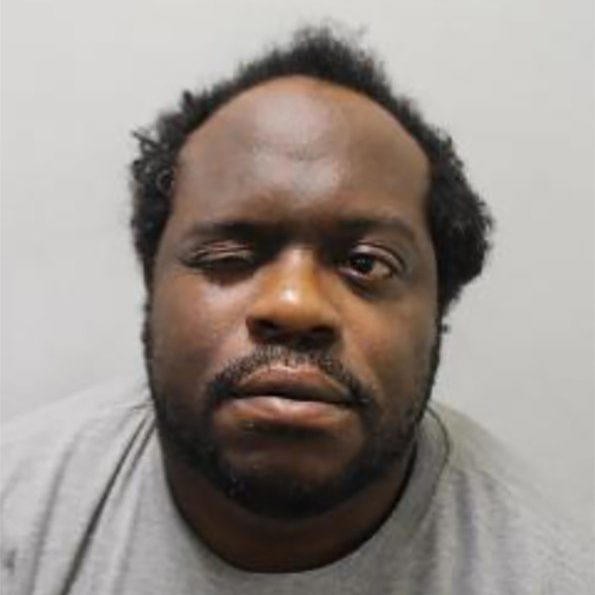
In a case later described publicly as a “failure cascade,” multiple agencies lost grip on Levy. The Metropolitan Police downgraded his risk assessment from high to medium after he suffered an injury that left him blind in one eye. They never raised it again—even after his arrest on suspicion of murder.
The internal conflict that erupted after Levy’s sentencing only reinforces the sense of systemic disarray. Sir Mark Rowley, head of the Met Police, criticised the Crown Prosecution Service for failing to seek a warrant that might have prevented a second killing. Stephen Parkinson, Director of Public Prosecutions, apologised—but cautioned against what he called “taking shots at each other.”
But the public doesn’t see shots being fired; they see shields being raised. They see agencies circling defensively, rather than confronting one devastating question:
How did a man with clear, escalating behavioural red flags remain free long enough to kill twice?
Violence Behind Bars
The alleged Belmarsh assault adds a grim footnote. Even under maximum security conditions—after the murders, after the sexual assault charges, after Levy became one of the most closely watched prisoners in Britain—he was reportedly able to inflict harm again.
A pen. A moment. A guard who should have been protected by a system designed to contain the most dangerous offenders.
This isn’t a story about a single individual’s brutality. It’s about a system’s brittleness under pressure.
The Human Cost
Cases like Levy’s force uncomfortable conversations. They challenge institutional pride. They highlight the unseen connective tissue between agencies that don’t always communicate, or don’t communicate effectively, or—most dangerously—communicate but fail to act.
Two women are dead.
A prison officer was nearly strangled.
Multiple agencies are now issuing apologies and explanations.
But none of those words change the outcome.
What Happens Next
Levy’s latest charges now move to Inner London Crown Court, with a hearing set for September 14. His whole‑life sentence means he will never leave prison—but the repercussions of the institutions’ missteps will reverberate far beyond one inmate’s fate.
This case will almost certainly become a touchpoint for policy reviews, internal investigations, and calls for reforms. But unless those efforts produce meaningful change, the lessons from Levy’s timeline risk becoming another cycle of hindsight rather than foresight.
And the justice system cannot afford hindsight anymore.
 amandasheppardauthor