There are stories that slip under the skin, stories whispered in the kind of darkness that grows thicker every year it goes unchallenged. What happened inside a small Pontiac apartment wasn’t a single act of violence—it was a slow, suffocating abandonment that stretched from 2020 to 2025. And like so many tragedies centered around mothers and children, it didn’t begin with malice. It began with silence.
Three children—just 12, 13, and 15—were found living alone in conditions most people only see in disaster zones. Mold creeping across the walls, trash layered like sediment, a toilet overflowing with filth. No running water. No school. No sunlight. They had disappeared, not into the system, but into a forgotten corner of their own home.
Authorities say their mother, Kelli Bryant, told them never to open the door. Never to leave. Never to be seen. That’s how isolation works—it doesn’t shout; it instructs.
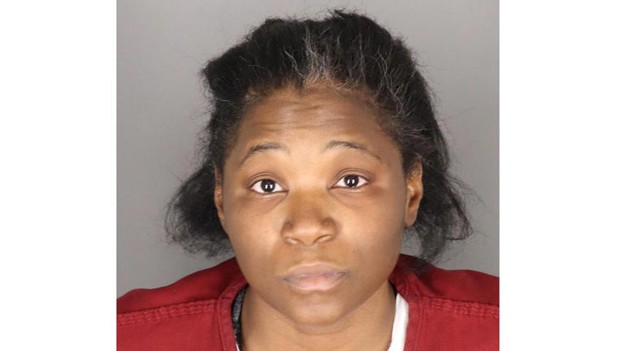
And the children obeyed.
What haunts a reader isn’t just the squalor—it’s the fear. Fear of the outside world, yes, but deeper still: fear of what their mother would do if they broke the rules. Bryant allegedly concealed them from anyone who might ask questions, lied about who cared for them, dropped food at the door as if feeding captives. This wasn’t neglect that crept in through exhaustion or poverty. It was deliberate disappearance.
In the end, deputies entered the home wearing hazmat suits. The apartment was declared a biohazard. The children were removed. Bryant pleaded no contest. A judge told her, You failed them… hour after hour, year after year. And she was sentenced to prison.
But stories like this rarely end with a judge’s gavel.
Because beneath the horror sits something quieter—trauma untreated, violence endured, generational wounds passed like heirlooms. Bryant’s defense argued she had been sexually assaulted outside the same residence where she abandoned her children. And while trauma never excuses harm, it does explain how brokenness can metastasize into cruelty. Especially when no one steps in early enough to stop the unraveling.
Black Widows teaches us that women under threat don’t always become victims—sometimes they become the threat themselves. Sometimes the greatest danger to a child isn’t a stranger, but a mother collapsing under pain she never healed from.
And the children? They were collateral damage in a life spiraling beyond control.
This sentence ensures Bryant will be incarcerated until all her children are adults. It protects them now—but not from the years already lost.
And that’s the truth these cases force us to face: even when justice arrives, it’s always too late for the years stolen behind closed doors.
 amandasheppardauthor